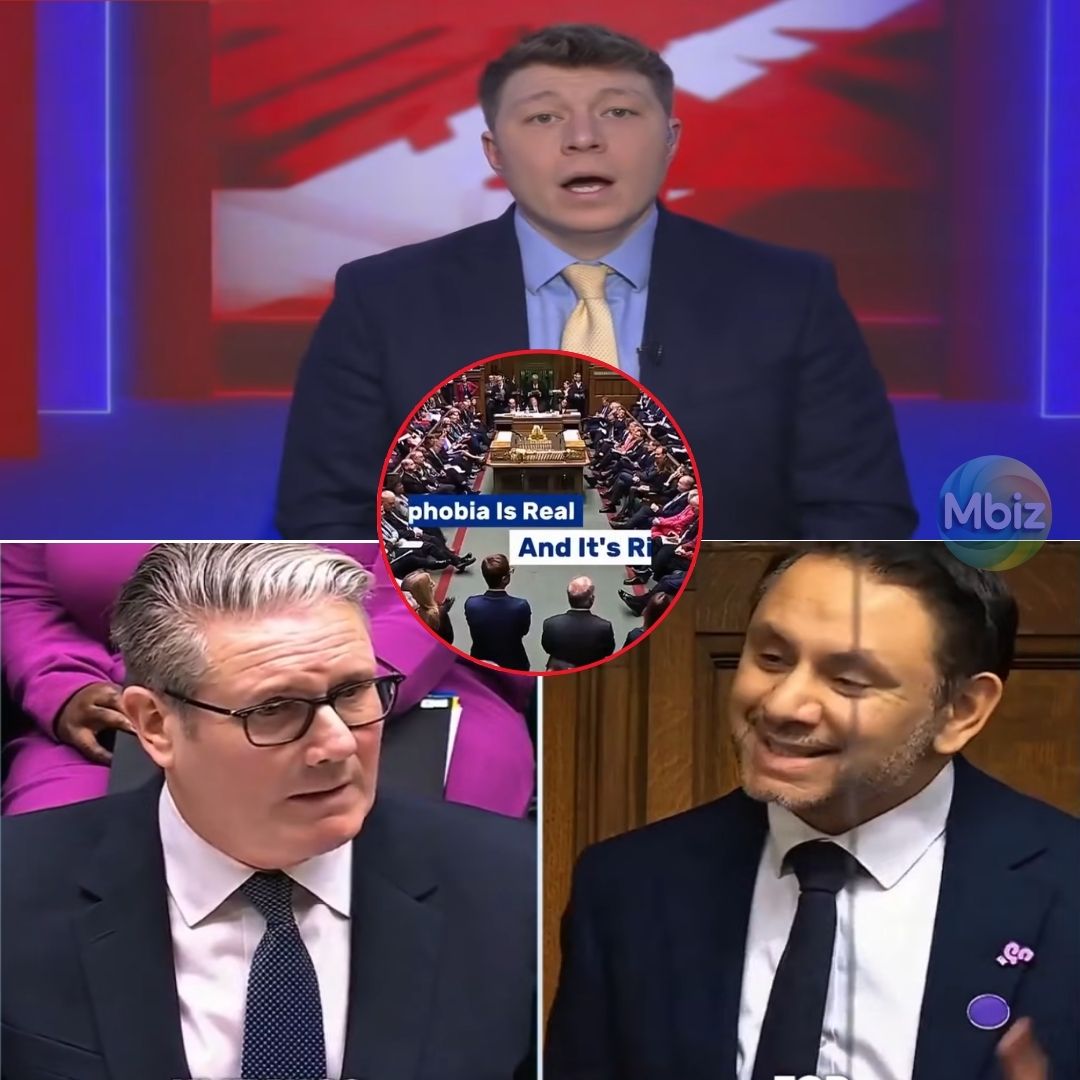
Breaking News: Tensions Escalate as Starmer Backs Controversial Islamophobia Definition
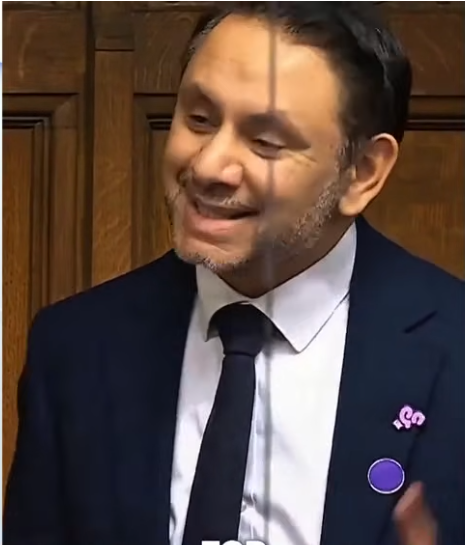
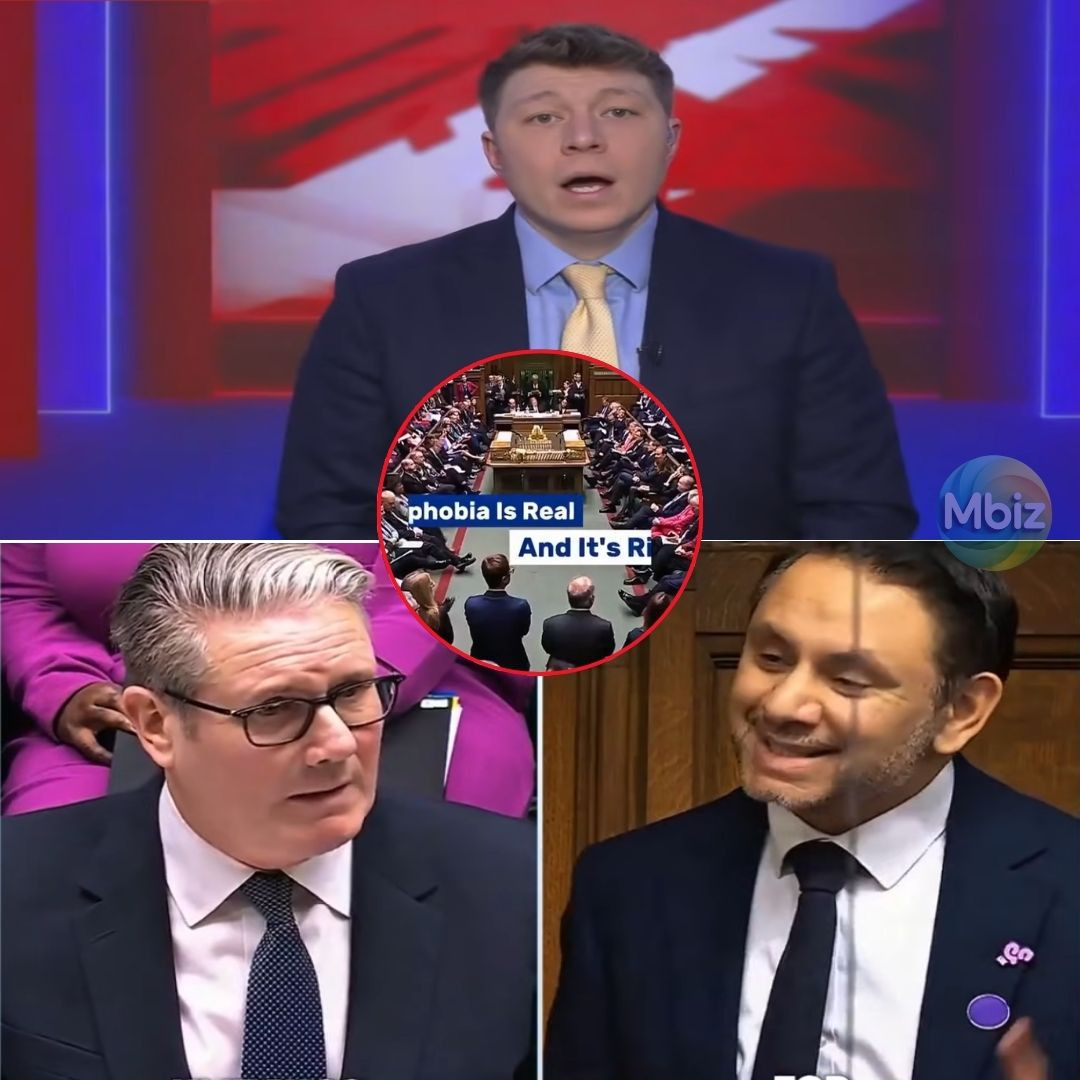 In a shocking turn of events, Labour leader Keir Starmer has expressed support for a new definition of Islamophobia, igniting fierce debate and concern over the implications for free speech and public safety. During a heated session in Parliament, independent MP Shaka Adam highlighted the alarming rise of anti-Muslim violence, citing harrowing examples of individuals brutally attacked simply for their faith. However, the proposed definition has raised serious questions about its potential to stifle legitimate criticism of Islam and place those who voice concerns at risk.
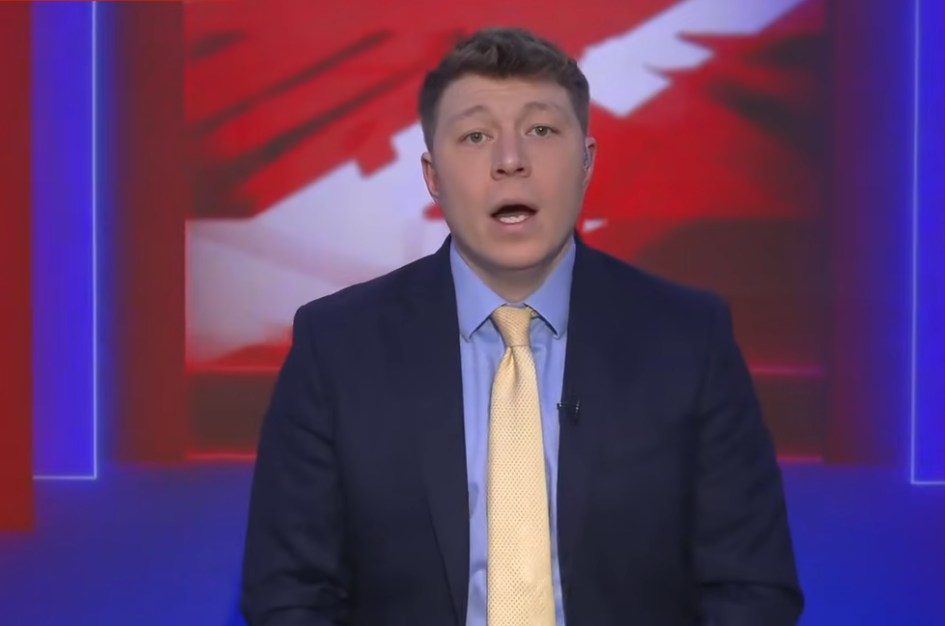
Patrick Christys, in a passionate response, voiced his fears that the new definition could label him an Islamophobe for expressing valid critiques of radical Islam and its impact on society. “If I’m an Islamophobe, then that puts my life at risk, doesn’t it?” he declared, emphasizing the dangers posed by radical elements within the religion. His chilling assertion underscores a growing sentiment among critics who worry that the definition could create a chilling effect on free speech, making it increasingly difficult to discuss pressing issues without fear of retribution.
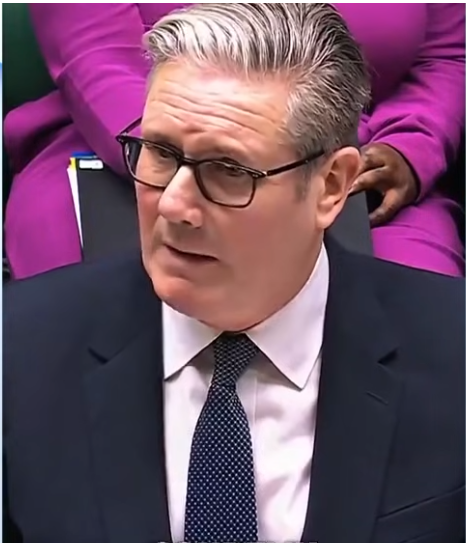
 Starmer’s backing comes amid rising tensions surrounding the proposed definition, which characterizes Islamophobia as a form of racism targeting expressions of “Muslimness.” Critics, including Christys, argue that this vague language could lead to a dangerous precedent where individuals are silenced for engaging in critical discussions about cultural practices and societal issues linked to Islam.
The urgency of the situation is palpable. Christys raised pertinent questions: Would discussing the grooming gang scandals or questioning police responses to Muslim communities be deemed Islamophobic? The implications are staggering, as many fear that the definition could shield radical elements from scrutiny while punishing those who seek to engage in open dialogue.
 As the debate unfolds, public figures and commentators are warning that the introduction of such a definition could exacerbate societal divisions rather than foster understanding. The chilling reality is that radical Islamists have already targeted individuals for expressing dissenting views, and a new legal framework could embolden further violence against those labeled as Islamophobes.
The political landscape is shifting rapidly. With Starmer’s endorsement, the pressure is mounting on the government to clarify the definition and its intended application. Critics are demanding transparency and cautioning against the potential for thought crimes that infringe on the fundamental right to free expression.
 As this story develops, one thing is clear: the stakes are high, and the implications of defining Islamophobia could reshape the discourse around religion, identity, and safety in Britain. Public outcry is expected to grow as citizens grapple with the balance between protecting communities from hate and preserving the vital freedom to critique and question all ideologies. Stay tuned for updates as this critical issue unfolds.