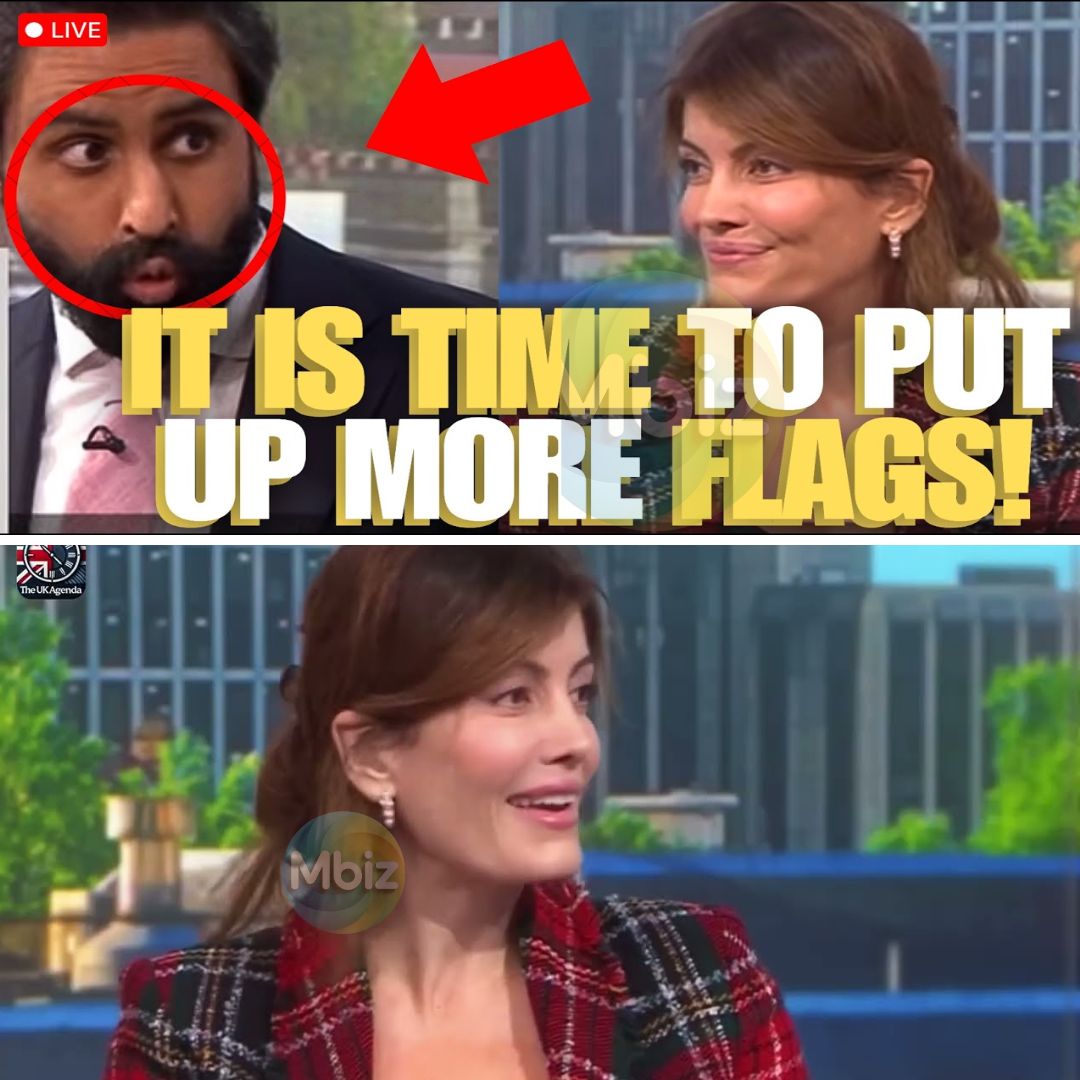
In a 𝓈𝒽𝓸𝒸𝓀𝒾𝓃𝑔 live television confrontation, a Reform councillor delivered a devastating critique of the British government, leaving Labour MP visibly shaken. The councillor accused the government of operating like a dictatorship, citing canceled elections, the imposition of digital ID systems, and online censorship as evidence of authoritarianism. This intense exchange not only rattled the political landscape but also raised critical questions about the state of democracy in the UK, highlighting a growing divide among political factions.
 The Reform councillor’s calm yet forceful delivery of uncomfortable truths sent ripples through the studio. “It’s cancelling elections,” he asserted, pointing to the disenfranchisement of 7.5 million voters. The Labour MP squirmed under the weight of these accusations, as the debate shifted from partisan jabs to a stark examination of democratic principles.
As the exchange unfolded, the councillor emphasized that true authoritarianism lies in the erosion of democratic processes. “You’re doing all of that without a political mandate,” he charged, confronting the Labour MP with the uncomfortable reality that their party is perceived as undermining the very democracy they claim to protect.
 The Labour MP attempted to deflect the accusations, arguing that the Conservatives also share responsibility for the current political climate. However, the Reform councillor remained unyielding, insisting that the real threat to democracy comes from within the government itself, not from opposition parties.
The debate took a dramatic turn when the councillor called out the government’s cozy relationship with authoritarian regimes, specifically referencing actions that undermine British values. “You’re cancelling elections because you’re scared of the polling,” he declared, forcing the Labour MP to confront the uncomfortable reality of their party’s decisions.

Viewers were left questioning the integrity of British politics as the councillor’s words echoed in the studio. “Is Britain defending democracy or slowly redefining it without consent?” This poignant question lingers, challenging citizens to reflect on the state of their governance and the implications of recent political maneuvers.
 This confrontation marks a pivotal moment in British political discourse, as the dialogue shifts from typical partisan bickering to a more profound examination of democratic values. The implications of this debate could resonate far beyond the studio, potentially influencing public opinion and voter behavior in the lead-up to future elections.
As the dust settles, one thing is clear: the urgency for accountability in British politics has never been greater. The Reform councillor’s bold assertions may serve as a rallying cry for those who feel disenfranchised, igniting a call for transparency and democratic integrity in a system increasingly viewed as flawed.
Stay tuned as this story develops, and brace for the potential fallout from this explosive exchange that has shaken the foundations of British political dialogue.