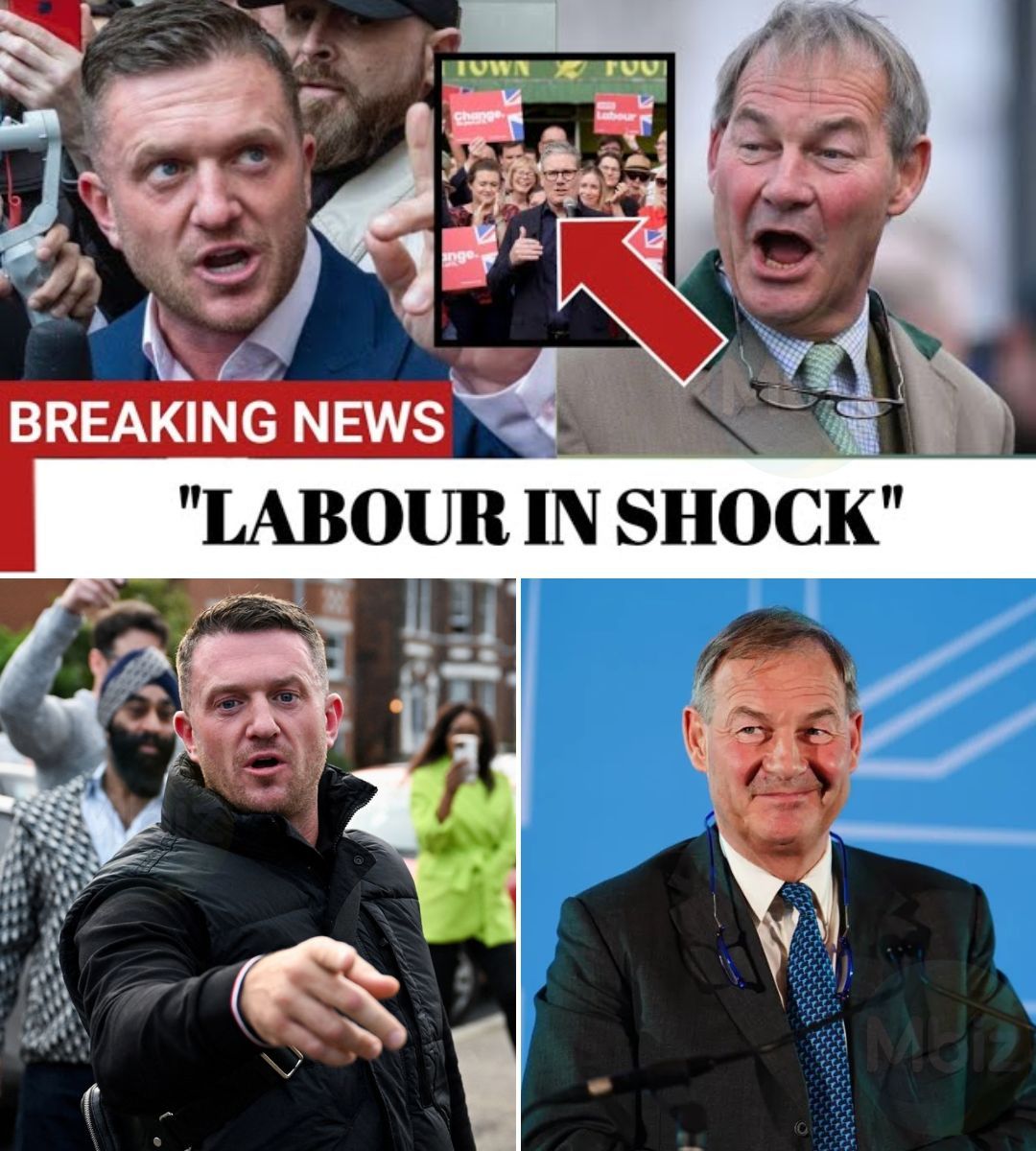
In a startling exchange, Tommy Robinson warned Rupert Low that the Labour Party’s time may be running out, as public frustration with political leadership simmers beneath the surface. This candid conversation has sent shockwaves through political circles, igniting debates about trust and representation in the UK’s current climate.
 Robinson’s remarks came during a direct conversation that lacked the usual scripted theatrics of political discourse. Instead, it was a raw, unfiltered dialogue where he articulated a growing discontent among voters who feel neglected by mainstream parties, particularly Labour.
He emphasized that political parties are at a critical juncture, facing a reckoning with an electorate that feels unheard and overlooked. Robinson’s message was clear: ignoring the rising tide of dissent only strengthens it. The implications of this conversation are profound, as it challenges the status quo of political messaging in the UK.

As living costs soar and public services are strained, skepticism towards traditional party lines is growing. Robinson’s insights resonate with a public increasingly disillusioned with political rhetoric that fails to address their everyday realities. His comments have sparked a flurry of online reactions, with many acknowledging the urgency of addressing these sentiments.
The dialogue between Robinson and Low is significant, not just for what was said, but for how it reflects a broader shift in political engagement. While Labour supporters argue that the party remains strong, the persistent discussions surrounding Robinson’s remarks indicate a deeper unease within the electorate.
Political analysts have noted that such conversations are not isolated incidents; they contribute to a larger narrative about trust and representation. The challenge for Labour lies in recognizing the changing dynamics of voter sentiment and adapting accordingly.

In a media landscape where alternative voices are gaining traction, Robinson’s blunt honesty has struck a chord. Critics may dismiss his comments as provocative, but the underlying frustration they reveal cannot be ignored. This moment serves as a reminder that the political landscape is shaped by more than just policy; it is influenced by the conversations happening in public spaces.
As the political climate continues to evolve, the question remains: how will Labour respond to this growing skepticism? Will they double down on their current strategies, or will they adapt their messaging to reconnect with disenchanted voters?
The urgency of this dialogue cannot be overstated. Robinson’s conversation with Low highlights a mood of frustration that is palpable across the UK. As political leaders grapple with these realities, it is essential to recognize that ignoring public sentiment risks further alienation.
This exchange may not be a definitive turning point, but it serves as a crucial signal that cannot be overlooked. In politics, the quiet warnings often carry the most weight, and as pressure mounts, the consequences of inaction could be significant.
As the fallout from this conversation unfolds, one thing is clear: the landscape of British politics is shifting, and leaders must engage with the voices of the people they represent or risk being left behind.