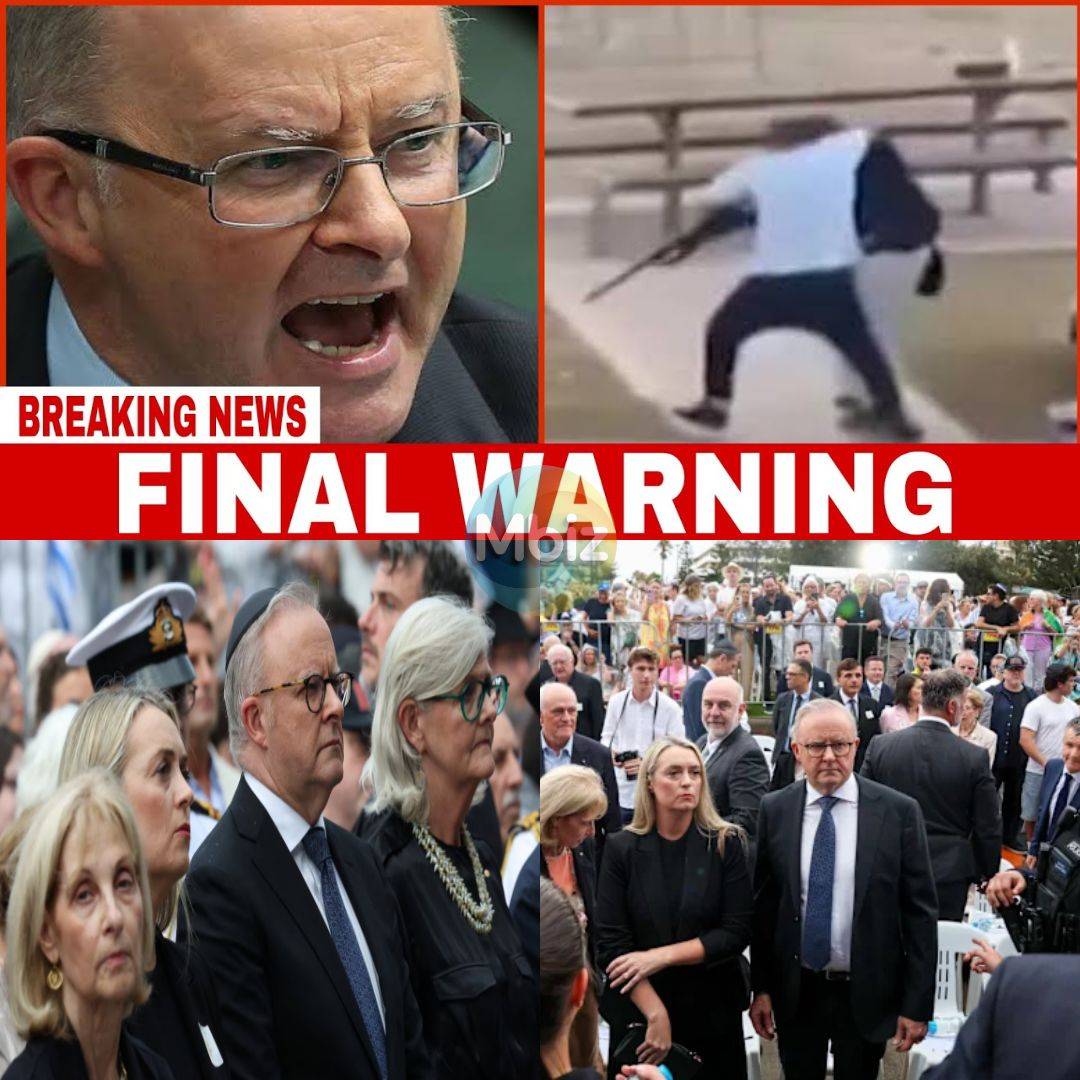
Prime Minister Anthony Albanese has launched an abrupt and sweeping overhaul of Australia’s visa system just two minutes after the devastating Bondi Junction attack, signaling a desperate political pivot. This emergency announcement promises stricter visa rules, faster deportations, and heightened border controls amid mounting public fury and political pressure.
 The Bondi Junction attack has 𝓮𝔁𝓹𝓸𝓼𝓮𝓭 glaring flaws in Australia’s migration policies, forcing Albanese into a rapid and unprecedented policy shift. Once a vocal critic of tough border measures, he now touts harsher character tests and visa cancellations as urgent national priorities, scrambling to regain control.
For years, Albanese defended a failing migration system overwhelmed by overstayers and bureaucratic inefficiencies. Now, under intense public scrutiny, he paints these reforms as decisive leadership, though critics argue this is reactionary damage control, not genuine vision or responsibility.
The sudden policy U-turn came only because the political cost of inaction has become unbearable. Albanese’s government, which dismissed earlier warnings as fear-mongering, now promises to fix a broken system that jeopardized public safety and fueled community anger after the Bondi tragedy.
Key elements of the overhaul include tighter character tests for visa holders, rapid cancellation of visas deemed risky, and a crackdown on overstayers who have slipped beneath the authorities’ radar. The government also pledges better information sharing between agencies — a glaring weakness 𝓮𝔁𝓹𝓸𝓼𝓮𝓭 by recent failures.
This announcement exposes deeper failures. If these measures are essential now, why were they ignored previously? The visa system was evidently already compromised, allowing dangerous individuals to stay. Albanese’s silence and denial for years before this crisis suggest a troubling pattern of negligence or political expediency.
Despite two years in power and access to intelligence about risks within the system, Albanese failed to act decisively until forced by tragedy and media attention. His current rhetoric of strong border security sharply contrasts with his previous dismissive stance, revealing a troubling political calculation rather than principled leadership.
 Albanese’s speech overlooks accountability for the ministers and officials who neglected critical warnings. There is no clear plan to address long-term migration challenges beyond promises of stricter enforcement and improved coordination, leaving Australians questioning whether meaningful change will occur.
The media has widely framed the announcement as a leadership breakthrough, yet inquiry into the systemic pitfalls that made it necessary is conspicuously absent. The government’s response fits a recurring pattern: crisis triggers reactionary policy followed by fleeting public attention.
The current political climate demands more than symbolic gestures. Policies introduced hastily under pressure risk further failure and create new complications. Australians deserve transparent dialogue and sustainable strategies, not announcements crafted to soothe restless voters while sweeping prior misconduct under the carpet.
Opposition leaders have seized the moment to criticize Albanese’s delayed response, but both major parties share responsibility. Decades of bipartisan neglect created the conditions for the Bondi tragedy. Expect political blame games, yet little concrete leadership from either side.
Peter Dutton’s calls for accountability ring hollow given his party’s long tenure in government during which these systemic issues deepened. The real question is why no bold, risk-bearing reforms were pursued earlier, especially by those now loudly condemning the current government.
This crisis lays bare the failure of Australian governments to anticipate, prevent, and manage vulnerabilities in migration and border policy. Albanese’s emergency measures amount to retroactive firefighting rather than proactive governance, highlighting a dangerous pattern of governance in crisis mode.
 Australians are left to ponder whether these reforms will be effectively implemented or fade into political promises once immediate outrage subsides. The tragic Bondi attack should have been a catalyst for thoughtful reform, not merely the backdrop for a performative policy pivot.
In trying to salvage his political standing amid plummeting polls, Albanese is reshaping the narrative — portraying himself as a decisive guardian of national security. Yet this latest announcement is more political theater than genuine leadership, masking years of inaction and missed opportunities.
For the public deeply affected by the Bondi incident, these quick-fix policies offer little comfort. Real security requires systemic overhaul, transparency, and accountability — none of which have been convincingly demonstrated in this last-minute effort to regain control.
This unfolding story is a stark reminder: in Australian politics, major crises often reveal longstanding governance failures. Leadership demands foresight and courage, not merely reactive announcements once the damage is done and political survival is at stake.
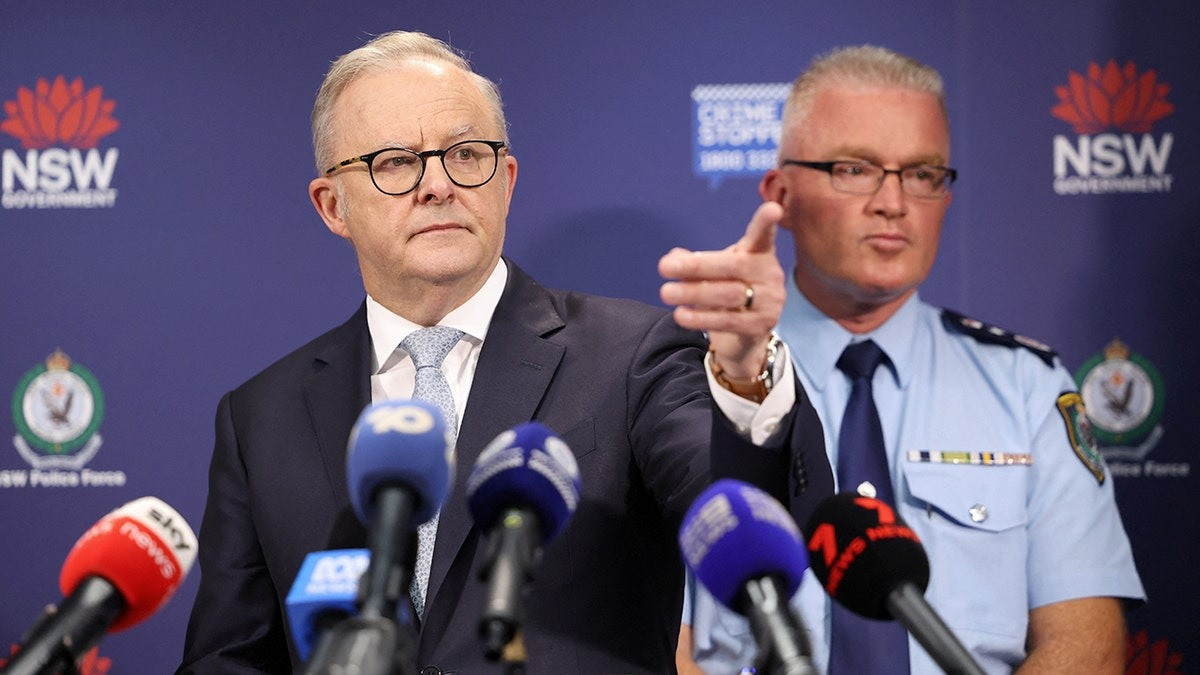 As the government races to implement these visa changes, watchdogs and citizens alike must remain vigilant. Scrutiny beyond the headlines will be crucial to ensure these emergency measures translate into meaningful, lasting reform rather than another cycle of crisis-driven politics.
The Bondi Junction attack was a devastating wake-up call. Whether Albanese’s administration chooses reform or rhetoric now will define Australia’s approach to migration policy and national security for years to come. The nation watches closely as this fast-moving story develops.


