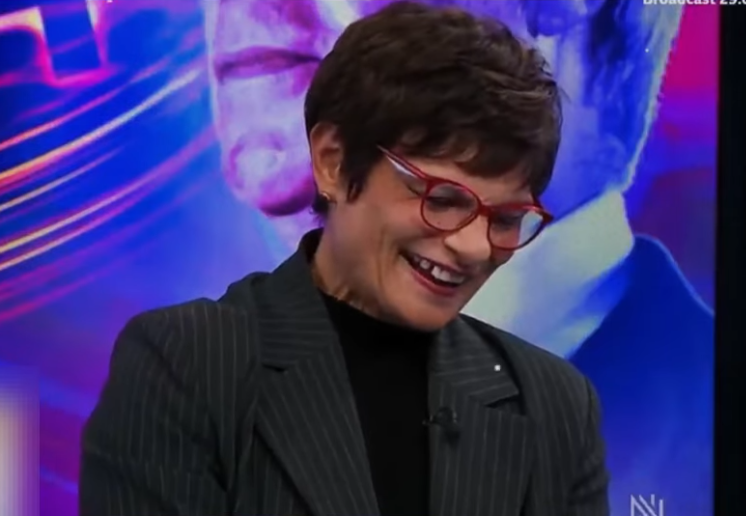
In a heated debate that has ignited a national conversation, Fahima Mahomed has publicly declared that the UK is no longer a Christian nation, following the controversial decision by a school to cancel its Easter celebrations. With palpable emotion, Mahomed criticized the cancellation as an affront to the country’s Christian heritage, arguing that it undermines the very fabric of British culture.
 “This is not about inclusivity; it is about erasing the majority culture,” Mahomed stated tearfully. Her comments reflect a growing frustration among many who believe that traditional Christian values are being sidelined in favor of a more secular and diverse approach to education. She emphasized that Easter is a significant part of the British calendar, celebrated by millions, and questioned the rationale behind prioritizing diversity at the expense of long-standing traditions.
Counterarguments emerged swiftly, with other voices in the debate asserting that the UK is not legally a Christian country and that the decision to cancel the Easter bonnet parade was a reflection of changing demographics. Some argued that the school’s actions were not an attack on Christianity but rather a necessary step towards inclusivity, accommodating a diverse student body that may not identify with Christian traditions.

Yet, Mahomed and her supporters countered that this trend represents a broader societal issue, where Christianity is increasingly disrespected and overshadowed by other faiths. They lamented the perceived imbalance in how different religions are celebrated, with Easter and other Christian traditions being diminished while other cultural observances gain prominence.
As the debate rages on, many are left questioning the future of cultural and religious identity in the UK. Is the nation truly moving away from its Christian roots? Or is this simply a reflection of a more diverse society that can still honor its past? The clash of perspectives is far from over, and as tensions rise, the implications for British culture and identity are profound.

Stay tuned as this story develops, with public opinion sharply divided and voices from both sides demanding to be heard. The conversation around inclusivity, tradition, and national identity is just beginning, and the stakes have never been higher.