In a stunning live television confrontation, Rachel Reeves, the UK’s Chancellor, lost control during a fierce exchange with outspoken critic Nana Akua, igniting a firestorm of outrage that is shaking the very foundations of the Labour Party. The clash has exposed deep divisions over Reeves’ controversial policies and has sent shockwaves through an already vulnerable government.
 The heated argument erupted as Reeves faced relentless criticism over her latest budget proposals, dubbed by many as a “tax grab” that threatens to siphon a staggering 45 pence from every charitable pound donated directly to the government’s coffers. This has earned her the unflattering nickname “The Christmas Grinch,” fuelling widespread anger during an economically fragile festive season.
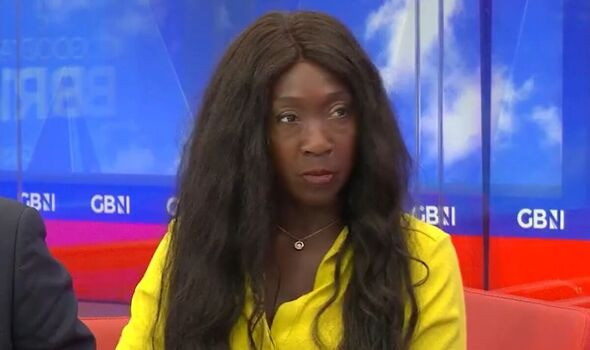
Nana Akua did not hold back, calling out Reeves for repeated missteps and what she described as “greedy and hypocritical” policies. Akua’s stinging rebuke highlighted not just Reeves’ failings but the broader restlessness now haunting the Labour Party’s ranks and the nation alike. The public, already weary of ongoing economic uncertainty, has watched frustration mount as their trust in Labour’s economic competence erodes day by day.
At the heart of the debate lies Reeves’ enforcement of stringent new diversity and inclusion regulations, requiring businesses to compulsorily report sensitive demographic details including sexual orientation and religion. Industry voices warn this bureaucracy could cost British firms up to £1 billion, an expense many fear will cripple competitiveness and stifle growth. The Financial Conduct Authority (FCA) and the Prudential Regulation Authority’s backing of these measures has only intensified the backlash.
Even Tory MPs, normally staunch opponents, have turned their fire on Reeves, with senior figures like Andrew Griffith, Mark Garnier, and Cla Coutinho penning urgent letters to the Chancellor demanding the scrapping of these costly rules. Their argument is clear: these measures are not only an economic threat but also an ideological imposition that fractures rather than unites British society.
 In response, Treasury spokespeople defend the reforms as necessary for “unlocking the full growth potential” of the UK economy. Yet, this rationale rings hollow to many experts and citizens alike, who see the policies as disconnected from the realities faced every day by struggling businesses and workers.
The economic fallout from Reeves’ tenure is undeniable and escalating. Her decision to freeze the winter fuel allowance risks the health of thousands of pensioners already struggling through bitter winters. Simultaneously, billions have been wasted on contentious climate initiatives, while pay raises to Labour’s union backers have further strained public finances. The inheritance tax hikes on farmers and punitive tax burdens on charities paint a bleak picture of intentional economic hardship.
Critics claim these cumulative actions have precipitated a crisis of confidence both in the Labour Party and in the Chancellor’s ability to steer the economy safely forward. Polls reveal a dramatic 19-point drop in Labour’s popularity, putting the party on par with its lowest ebb during Jeremy Corbyn’s leadership. This statistical collapse underscores a mounting political and social reckoning.
 Inside Labour, the discontent is palpable. Resignations and rebellions are reportedly brewing, hinting at a fracturing party leadership desperate to salvage credibility before irreparable damage occurs. The party’s new leadership milestones, touted by Sir Keir Starmer, struggle to mask the growing chaos sparked largely by Reeves’ mismanagement.
Opposition voices have found a sharp new champion in Nigel Farage, whose realist background and business acumen contrast starkly with Reeves’ record. Observers note Farage’s rise amid Labour’s turmoil as a symptom of deeper public disenchantment with “woke” policies perceived as divisive and economically harmful.

As the UK economy falters—businesses close or relocate, unemployment rises, and inflation bites harder—Rachel Reeves’ credibility crumbles alongside it. Former allies and ministers within Labour quietly question her approach, describing it as “out of depth” and “detached from reality,” further eroding the party’s internal cohesion.
The financial turmoil fueled by Reeves’ national insurance increases and poorly received tax hikes intensifies with each passing day. Small businesses, vital to the UK’s economic fabric, report growing hardship, while public services face cutbacks and pensioners confront growing risks as winter looms.
The live TV showdown was a vivid encapsulation of this brewing storm—Reeves’ composure snapped under pressure, revealing the fragile state of her authority. Nana Akua’s unflinching critiques have given voice to widespread frustration and articulated the harsh truths many were hesitant to confront.
With less than a year since Labour’s general election victory, time is rapidly running out for Reeves and the party’s leadership to reverse course. Public patience is wearing thin, and demands for accountability grow louder by the day. The economic and political consequences of Reeves’ actions now threaten not just the Labour Party’s future, but the stability of the entire nation.

The unvarnished reality is stark: Rachel Reeves’ tenure as Chancellor has plunged Britain into uncertainty, handing opposition forces potent ammunition and igniting internal party dissent. The once hopeful promises of economic recovery and social fairness now ring hollow amidst financial chaos and public disillusionment.
As the nation watches with bated breath, the critical question remains—how long can Rachel Reeves maintain her grip on power and stem the bleeding within Labour? The mounting evidence suggests the cracks are deepening, and the era of Reeves’ influence may be coming to a turbulent, ignominious end.
Britain faces a crossroads, and the cost of continuing down the current path grows ever more catastrophic. The fallout from Reeves’ disastrous policy decisions has already begun, but how far the impacts will reach—and how disastrously—remains to be seen.
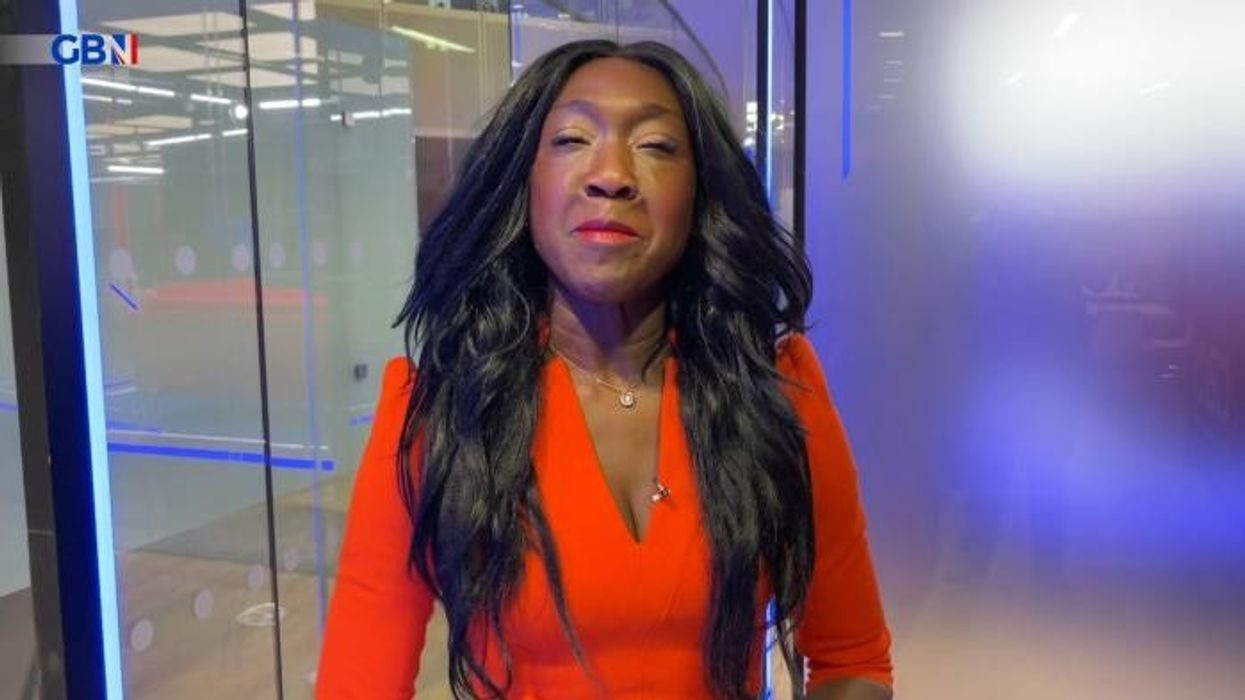 The message from the public, political insiders, and the brutally honest voice of Nana Akua is clear: Rachel Reeves has lost the confidence of the country, and the Labour Party must act swiftly to salvage what remains of its credibility before the damage becomes irreversible. The clock is ticking, and the stakes have never been higher.