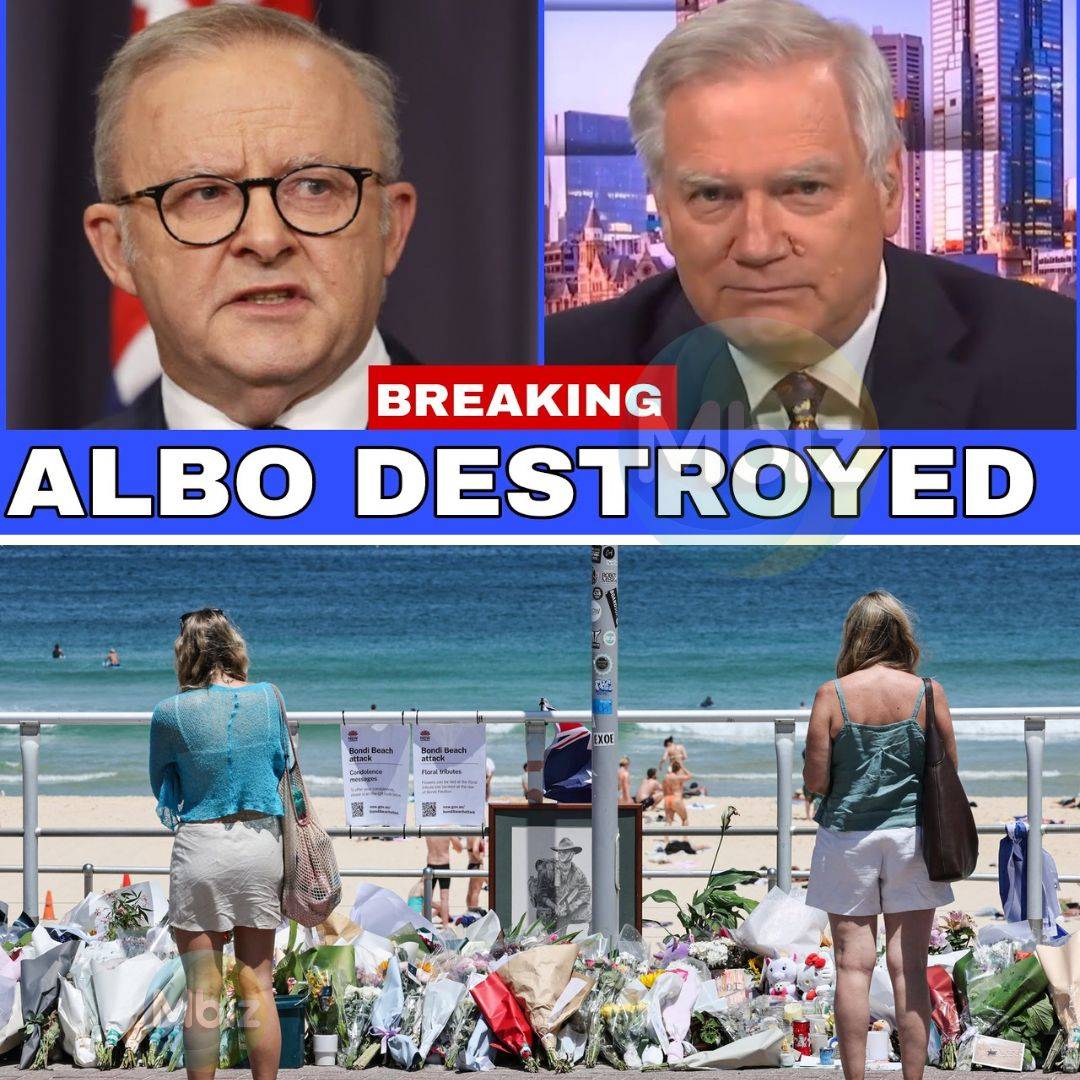
Prime Minister Anthony Albanese is facing fierce backlash after Andrew Bolt accused him of failing to heed warnings leading up to the Bondi Beach massacre, which left 15 dead. Bolt’s explosive critique highlights a 𝓈𝒽𝓸𝒸𝓀𝒾𝓃𝑔 disconnect between intelligence assessments and political action, igniting outrage across Australia.
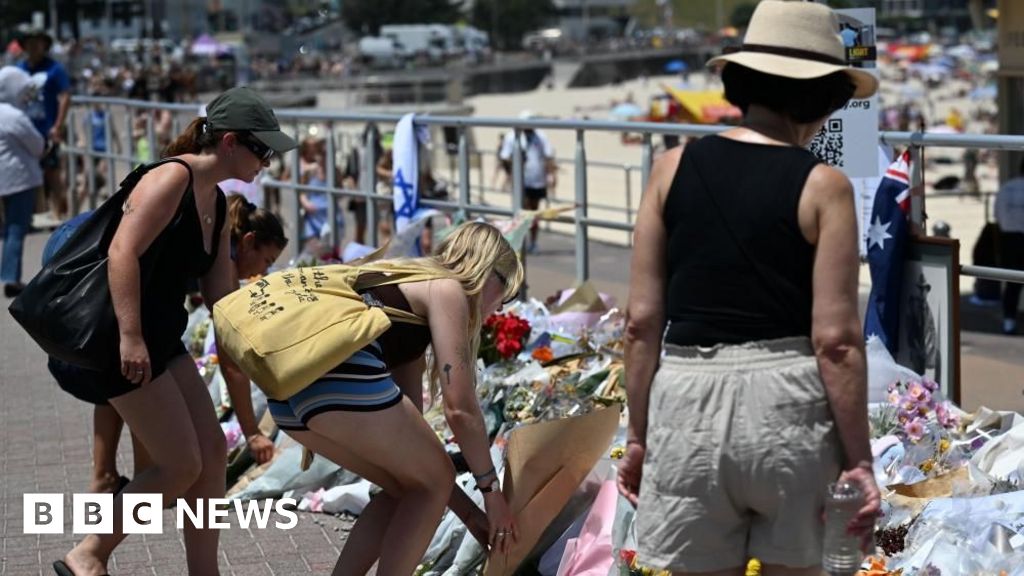
 In a devastating turn of events, families gathered at Bondi Beach for Hanukkah celebrations were met with a horrific mass shooting perpetrated by Sajjid Aram and his son Naveiv Akram. In just nine minutes, the gunmen wreaked havoc, resulting in the worst mass shooting in Australia since the Port Arthur tragedy of 1996.
The fallout from this tragedy has been swift, with Bolt’s scathing commentary underscoring Albanese’s alarming admission that he “certainly had not imagined” such an attack could occur in Australia. Bolt expressed disbelief that a sitting prime minister could be so out of touch with the reality of rising extremism.
The Prime Minister’s comments came despite clear warnings from the Australian Security Intelligence Organization (ASIO). In August, ASIO raised the national terrorism threat level to probable, signaling a significant risk of domestic attacks. This stark warning should have prompted immediate and serious action from the government.
Bolt’s critique pointed to a troubling pattern: the government’s failure to adequately address rising anti-Semitism and its potential consequences. He accused Albanese of being blind to the specific threats facing Jewish Australians while focusing instead on a politically correct narrative that downplays real security concerns.
The Prime Minister’s response to the tragedy has been characterized as a “total non-answer” by Bolt, who criticized Albanese for using vague terms like “ever vigilant” without offering concrete actions or solutions. This lack of 𝓈𝓊𝒷𝓈𝓉𝒶𝓃𝒸𝑒 only fuels public frustration over the government’s handling of national security.
As the nation grapples with this tragedy, the political implications are profound. Albanese’s comments may haunt him as opposition parties seize on his admission to question the government’s competence in safeguarding citizens. Public sentiment is shifting, with many Australians demanding accountability and a reevaluation of immigration policies amid rising concerns about social cohesion.
The Bondi massacre serves as a grim reminder of the consequences of political indifference. Families are left mourning their loved ones while the government faces mounting pressure to reevaluate its approach to immigration and national security. This incident is more than just a political firestorm; it represents a critical moment for Australia’s future.
With tensions running high and the nation in mourning, the demand for answers is palpable. How could this tragedy have been allowed to happen? As the investigation unfolds, one thing is clear: the Australian public will not rest until they receive the accountability and transparency they deserve.