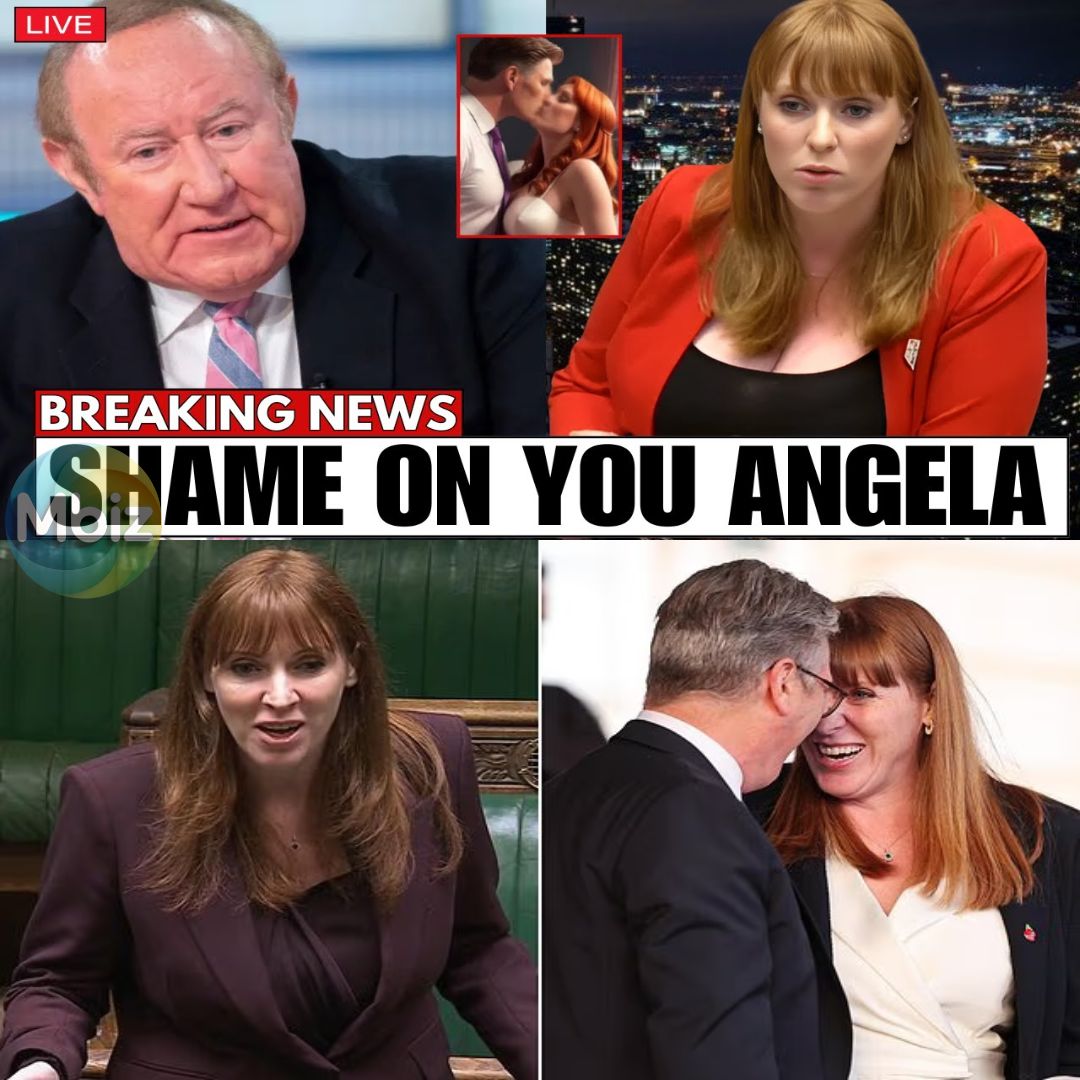
Angela Rayner, Labour’s deputy leader, faced a shocking meltdown during a live interview with Andrew Neil as he grilled her on the party’s economic policies. The encounter quickly turned into a disastrous display of confusion and uncertainty, raising serious questions about Labour’s readiness to govern.
 In a tense exchange, Neil challenged Rayner on key issues such as corporation tax and capital gains tax, leaving her visibly flustered. Instead of providing clear answers, she resorted to vague statements, failing to articulate Labour’s economic vision effectively. This moment of weakness was a stark reminder of the stakes involved as the country approaches critical elections.
Neil’s relentless questioning exposed Rayner’s shaky grasp of Labour’s economic plans. Her inability to respond directly to inquiries about tax cuts and spending priorities not only undermined her credibility but also cast doubt on the party’s overall strategy. Viewers were left wondering how a senior party figure could struggle with fundamental policy details.

As the interview progressed, Neil shifted focus to Labour’s ambitious housing plan, which aims to tackle the UK housing crisis. However, Rayner’s responses fell flat as Neil highlighted significant flaws in the proposal, particularly regarding immigration and infrastructure needs. Her failure to connect these dots revealed a troubling lack of depth in Labour’s planning.

Social media erupted with criticism as political commentators dissected Rayner’s performance. The backlash was swift and unforgiving, with many questioning her fitness for leadership. If she couldn’t handle basic economic questions, how could she lead the party through complex challenges?

The implications of this interview are far-reaching. Labour’s credibility on financial matters has been severely damaged, and voters are left questioning whether the party can be trusted to manage the economy. The stakes have never been higher, and Rayner’s missteps could have lasting repercussions for Labour’s electoral prospects.
As the dust settles on this explosive interview, one thing is clear: Labour’s economic plans are on shaky ground. Rayner’s failure to deliver coherent answers not only jeopardizes her own standing but also raises alarms about the party’s ability to govern effectively. With the political landscape shifting rapidly, Labour must urgently reassess its strategy or risk losing the confidence of the electorate.


