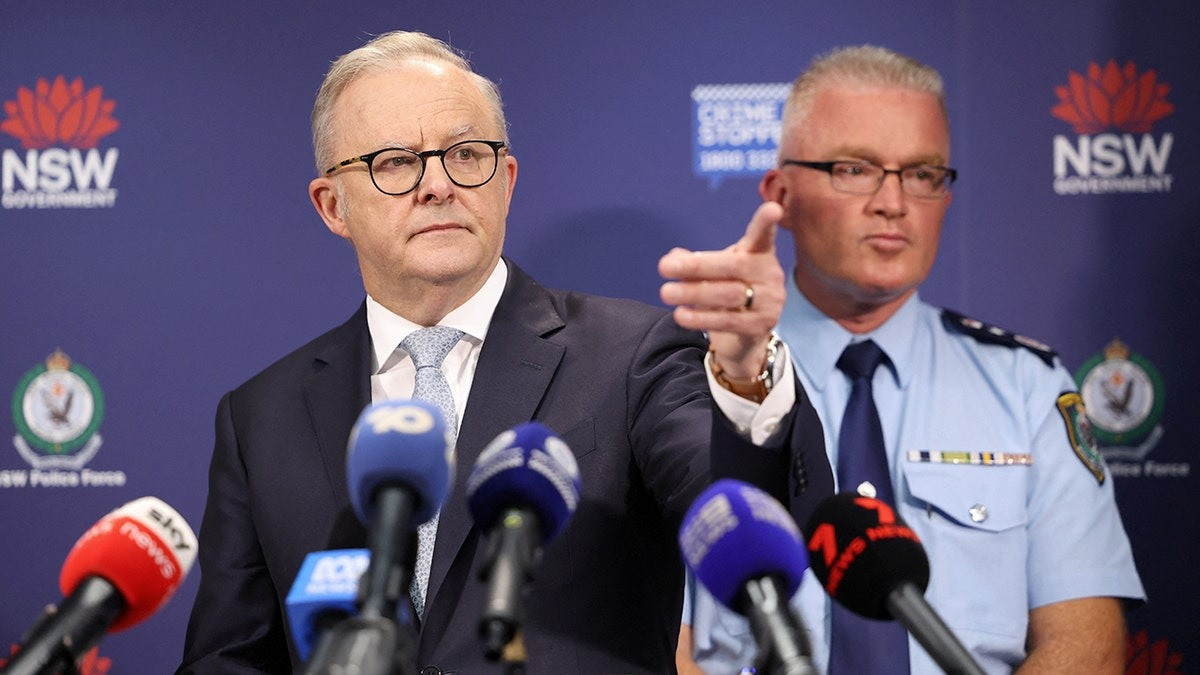
In a 𝓈𝒽𝓸𝒸𝓀𝒾𝓃𝑔 outburst, Prime Minister Anthony Albanese faces intense backlash over his government’s handling of rising antisemitism in Australia. Criticism from foreign editor Greg Sheridan has reached a boiling point, labeling Albanese’s response as “appalling” and “culpable.” This urgent situation demands immediate action to protect vulnerable communities.
 On August 17th, four months ago, Albanese received a letter warning that his government’s policies were fueling antisemitism. The letter highlighted that calls for a Palestinian state were exacerbating tensions and endangering Australian Jews. The writer urged the Prime Minister to replace weakness with decisive action, but the response has been anything but.
Greg Sheridan’s recent comments on Sky News have ignited outrage. He condemned the government’s inaction, stating, “This is a terrible day for Australian Jews and a terrible day for Australia.” His words resonate deeply, reflecting a growing frustration among citizens who feel abandoned by their leaders.
Antisemitism is not a relic of the past; it’s a present-day crisis. Incidents of hate are rising across Australia, leaving the Jewish community feeling increasingly vulnerable. Protests and social media have become breeding grounds for hate, yet the government’s response has been alarmingly inadequate.
The Albanese government came to power promising unity and fairness, but its response to antisemitism has been ineffective. Press conferences and statements of concern have not translated into meaningful action. The community is left wondering where the stronger laws and enforcement are.
Critics argue that the government has ignored the urgency of the situation. Jewish leaders have sounded the alarm, detailing incidents and pleading for action, but the government’s response remains sluggish. This lack of urgency sends a troubling message about the government’s commitment to protecting all citizens.
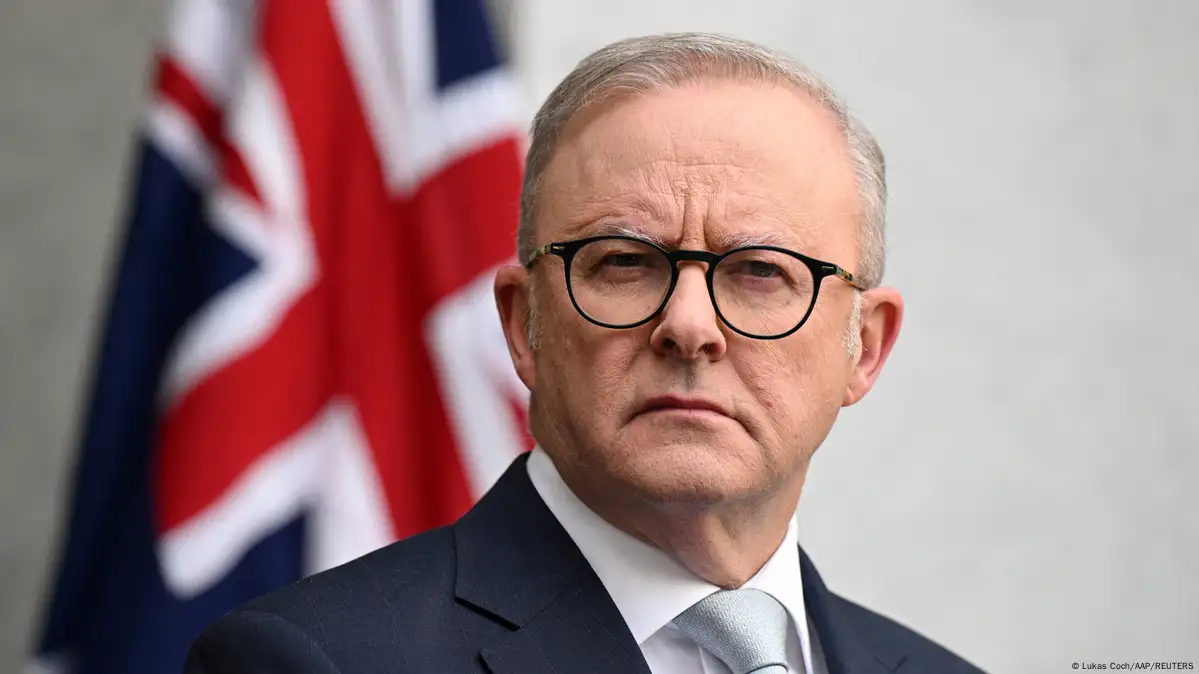
The hesitance to act raises questions about political motivations. Is the government afraid of alienating certain voter bases, or is it simply incompetent? Regardless of the reason, the Jewish community feels abandoned, and Australia’s reputation as a multicultural society is at risk.
Combating antisemitism requires clear leadership and strong legislation. Other nations have implemented educational programs and established consequences for hate speech, while Australia lags behind. The political theater of empty promises is no longer sufficient for a community in distress.
This issue transcends politics; it affects real Australians. Families are sending their children to school with fears of harassment, and communities are witnessing hate-filled graffiti. The government’s inaction is not just a policy failure; it has real-world consequences for the safety of citizens.
Sheridan’s assertion that “this is a terrible day for Australia” underscores the gravity of the situation. When any community is left unprotected from hatred, the nation as a whole suffers. The Australian identity should be rooted in fairness and equality, but current government actions suggest otherwise.
The growing criticism from across the political spectrum highlights the urgency of the matter. Jewish community leaders have been raising concerns for months, yet the government’s response has been disappointingly slow. It’s time for the Albanese government to acknowledge the problem and take responsibility.
Moving forward, the government must commit to real, measurable action. This includes consulting with Jewish leaders, strengthening hate crime laws, and increasing police resources to investigate incidents. It’s not complicated; it simply requires political will and determination.
The clock is ticking. Every day that passes without decisive action allows antisemitism to fester. The government must step up and fulfill its responsibility to protect all citizens, regardless of their background. This is not just a call for action; it’s a demand for accountability.
As respected commentators like Sheridan raise alarms, the pressure mounts on the Albanese government. The time for empty rhetoric is over. Australians expect their leaders to act decisively against hatred and violence. Anything less is unacceptable and undermines the very fabric of the nation.